

California Living at Its Finest
Few regions in the world offer a climate as conducive to indoor-outdoor living as Silicon Valley’s South Bay. With over two hundred and sixty days of sunshine annually, mild temperatures throughout much of the year, and a cultural appreciation for outdoor entertaining, communities like Los Gatos, Saratoga, and Monte Sereno are natural laboratories for residential designs that blur the boundary between interior comfort and exterior beauty.
The indoor-outdoor living trend has evolved far beyond simply adding a patio or deck to the back of a house. Today’s luxury implementations involve sophisticated architectural interventions – retractable glass wall systems, covered outdoor living rooms with full heating and lighting, professional-grade outdoor kitchens, and landscaping designs that create private garden rooms extending the functional square footage of the home far beyond its four walls.
The Architecture of Seamless Transitions
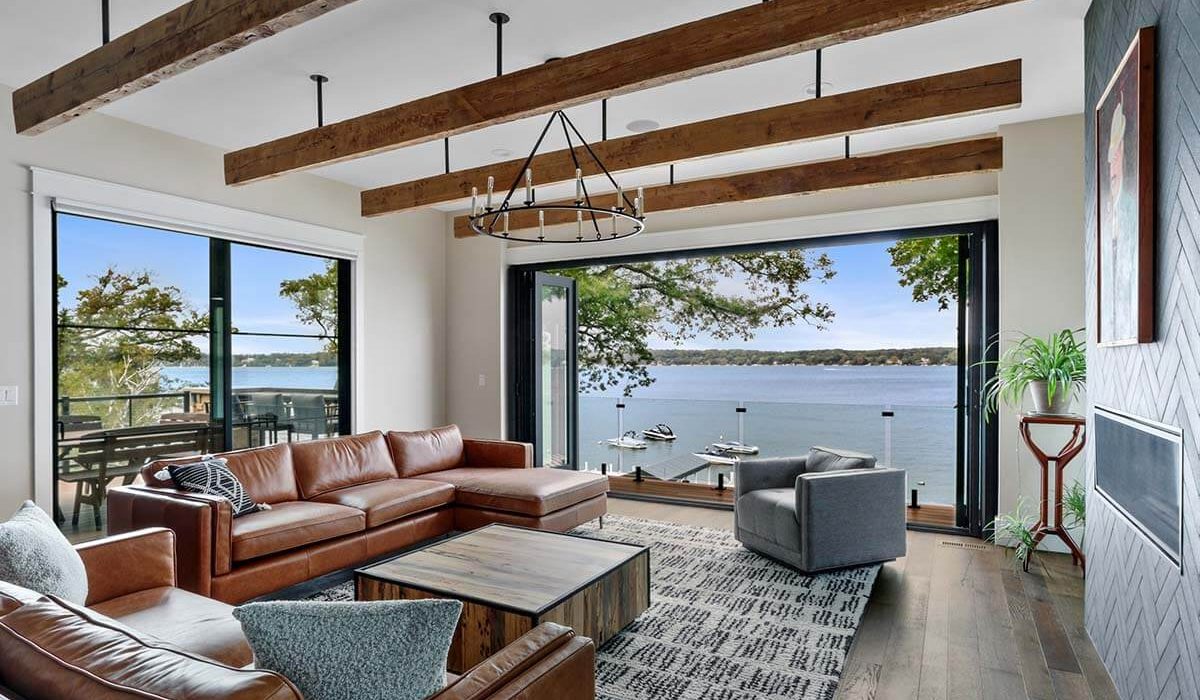
The key architectural element in any successful indoor-outdoor design is the transition zone – the physical and visual connection between interior living spaces and the outdoors. Multi-panel sliding and folding glass door systems have become the preferred solution, capable of opening entire walls to merge living rooms, dining areas, and kitchens with adjacent terraces and gardens. Leading manufacturers like NanaWall, Fleetwood, and LaCantina produce systems engineered for the specific requirements of California construction, including seismic performance, thermal efficiency, and weather resistance.
Floor level continuity is essential to achieving a truly seamless transition. When interior floor surfaces extend outward at the same level – whether through the use of matching porcelain tile, natural stone, or coordinated but distinct materials – the visual and physical barrier between inside and outside effectively disappears. Achieving this flush transition requires careful coordination between the general contractor, the structural engineer, and the landscape architect to ensure proper drainage, waterproofing, and structural support.
Ceiling treatments represent another often-overlooked element of the transition design. Extending similar ceiling materials or treatments from interior spaces outward through covered patios creates a visual thread that draws the eye outside and unifies the expanded living area. Tongue-and-groove wood ceilings, painted smooth ceilings with recessed lighting, or exposed beam structures all serve this purpose effectively depending on the home’s overall architectural language.
The Outdoor Kitchen: Beyond the Basic Grill
Outdoor kitchen design in the luxury South Bay market has reached a level of sophistication that rivals indoor culinary spaces. Custom-built outdoor kitchen islands constructed from steel framing and cement board substrate, finished with natural stone or tile, house professional-grade gas grills, side burners, pizza ovens, refrigerators, ice makers, and dishwashers. Dedicated prep sinks with hot and cold water supply, garbage disposals, and task lighting create fully functional outdoor workspaces.
The infrastructure requirements for these installations – gas line extensions, dedicated electrical circuits, water supply and drainage, and ventilation considerations – demand the expertise of a firm experienced in comprehensive outdoor living construction. Granada Construction brings the same rigor to outdoor living projects that they apply to interior renovations, ensuring that every utility connection, drainage solution, and structural element meets code requirements and performance expectations.
Material selection for outdoor kitchens demands careful consideration of weather exposure, even in California’s mild climate. UV-stable finishes, freeze-thaw resistant stone, marine-grade stainless steel, and rot-resistant framing materials are essential for installations that will maintain their appearance and functionality over many years. Properly specified materials and construction techniques eliminate the premature deterioration that plagues hastily built outdoor kitchens.
Landscaping as Living Architecture
The landscape design surrounding an indoor-outdoor living area functions as an extension of the home’s architecture. Privacy screening using evergreen hedging, ornamental trees, and strategically placed hardscape walls creates intimate garden rooms that feel private despite proximity to neighboring properties. Water features – from simple bubbling urns to elaborate reflecting pools – add auditory ambiance that masks neighborhood noise and enhances the sense of retreat.
Sustainable landscaping practices are particularly relevant in drought-conscious California. Native and Mediterranean climate-adapted plantings provide year-round beauty while requiring minimal supplemental irrigation once established. Smart irrigation controllers that adjust watering schedules based on weather data, soil moisture sensors, and plant-specific requirements ensure that every drop of water contributes to landscape health without waste.
Creating Spaces That Transform Daily Life
The ultimate value of well-designed indoor-outdoor living extends far beyond aesthetics or entertaining capacity. These spaces fundamentally change how families experience their homes on a daily basis. Morning coffee on a sheltered terrace, children doing homework at an outdoor table shaded by a mature oak tree, evening dinners prepared and served steps from the garden – these everyday moments are elevated by thoughtful design that connects inhabitants with natural light, fresh air, and the beauty of the outdoor environment.
For homeowners in Silicon Valley’s most desirable communities, investing in indoor-outdoor living is an investment in quality of life itself. The right design, executed by skilled professionals who understand both the technical and aesthetic dimensions of the work, creates a home that is not simply a structure but a curated experience – one that rewards its inhabitants every single day.