

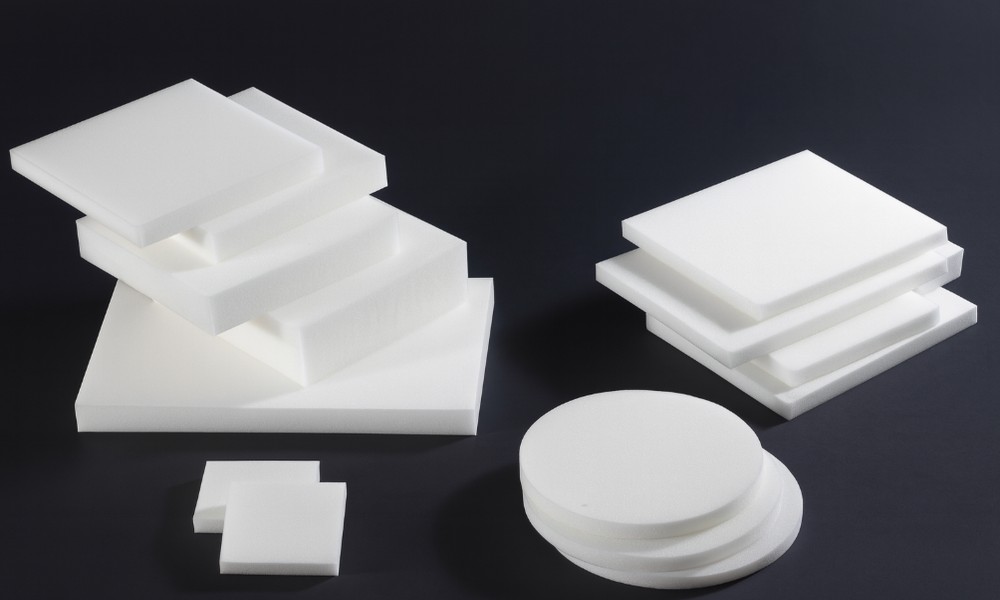
At a glance:
- Acetal (POM) is a high-performance engineering plastic engineered to withstand continuous friction and mechanical load in critical industrial applications.
- Its wear resistance, dimensional stability, and chemical durability allow it to perform reliably in harsh or variable operating environments.
- Acetal prevents surface degradation, supports long-term component accuracy, and extends service life.
- Automotive, food processing, manufacturing, and electronics industries use Acetal for consistent performance and precision.
Polyoxymethylene (POM), known as Acetal, is a high-performance plastic used in a wide range of industrial applications. Its strength, tight dimensional control, and clean machinability make it a practical alternative to metal in demanding duty cycles.
What sets it apart is its outstanding wear resistance, which allows it to perform under continuous motion, fluctuating temperatures, and long-term mechanical stress without degrading. In industries requiring reliability and precision, Acetal delivers consistent, predictable performance.
In this article, we will discuss the properties of Acetal that enable it to withstand wear in any condition and its key industrial applications.
Key Properties of Acetal (POM)
Acetal (POM) is engineered to withstand continuous friction, impact, and environmental exposure, making it one of the most reliable wear-resistant plastics for industrial applications.
Below are the key properties that enable exceptional Acetal wear resistance or protect the material from factors that typically accelerate wear.
Outstanding Wear and Abrasion Resistance
Acetal minimises surface wear by allowing moving parts to operate with low friction and reduced contact stress. Its self-lubrication properties limit abrasion and eliminate reliance on external lubricants, which is critical in high-cycle or continuous-motion environments.
As a result, components retain their surface integrity and functional performance over extended service life.
Dimensional Stability in Changing Conditions
In industrial environments, even minor dimensional changes can cause misalignment, surface interference, or uneven load transfer, leading to premature equipment wear.
Acetal maintains its shape under thermal variation and moisture exposure, preserving the exact tolerances required for precision components.
By holding its form in changing conditions, Acetal ensures controlled contact surfaces and consistent load distribution. These factors enable it to sustain wear over repeated operational cycles.
High Fatigue and Impact Strength
In applications where components are subjected to constant motion, vibration, or repetitive stress, fatigue can lead to cracks or surface degradation.
Acetal’s high fatigue resistance allows equipment to handle repeated mechanical loads without weakening. In addition, its impact strength protects against sudden shocks that could compromise surface integrity. This combination directly contributes to prolonged wear resistance and operational reliability.
Chemical and Corrosion Resistance
In many industrial environments, chemical exposure is a leading cause of premature wear due to surface breakdown and material degradation. Acetal resists swelling, cracking, and chemical attack from oils, fuels, and common industrial solvents.
This chemical stability allows Acetal to maintain its wear-resistant properties, ensuring reliable performance and a longer component service life.
Industrial Applications of Acetal (POM)
Acetal is widely adopted in industries that require components to operate under continuous load and motion. Here are some applications of Acetal:
- Automotive and Transport Systems: Acetal is used in gears, fuel components, bearing parts, and similar surfaces that require low friction.
- Food Processing and Conveyor Equipment: Acetal’s self-lubricating and hygienic surface makes it ideal for star wheels, conveyor rollers, and sliding components where reduced downtime and easy maintenance are critical.
- Manufacturing and Machinery Components: Due to its lightweight and high wear resistance, Acetal often replaces metal in applications such as bushings, valve components, and mechanical housings, providing strength without corrosion or surface fatigue.
- Electrical and Electronic Systems: Acetal offers excellent dimensional stability and insulation properties, suitable for precision connectors and moving parts that must retain their shape despite thermal and operational stress.
Acetal (POM) has become a preferred engineering plastic in industries because of its strength and proven ability to perform in demanding environments. Its low-friction surface ensures smooth performance under continuous load, while fatigue resistance prevents surface degradation over time.
The material maintains structural integrity in dry, wet, and chemically exposed environments. Its lightweight nature, ease of machining, and built-in self-lubrication reduce maintenance requirements and overall operating costs.
For industries seeking durability, efficiency, and performance in any condition, Acetal stands out as a material that delivers lasting value and a strong return on investment.
If your industry requires Acetal for equipment in high-friction or high-load environments, consider partnering with a reliable engineering plastics supplier. A knowledgeable supplier can help you with authentic products, ensuring performance and reliability.