

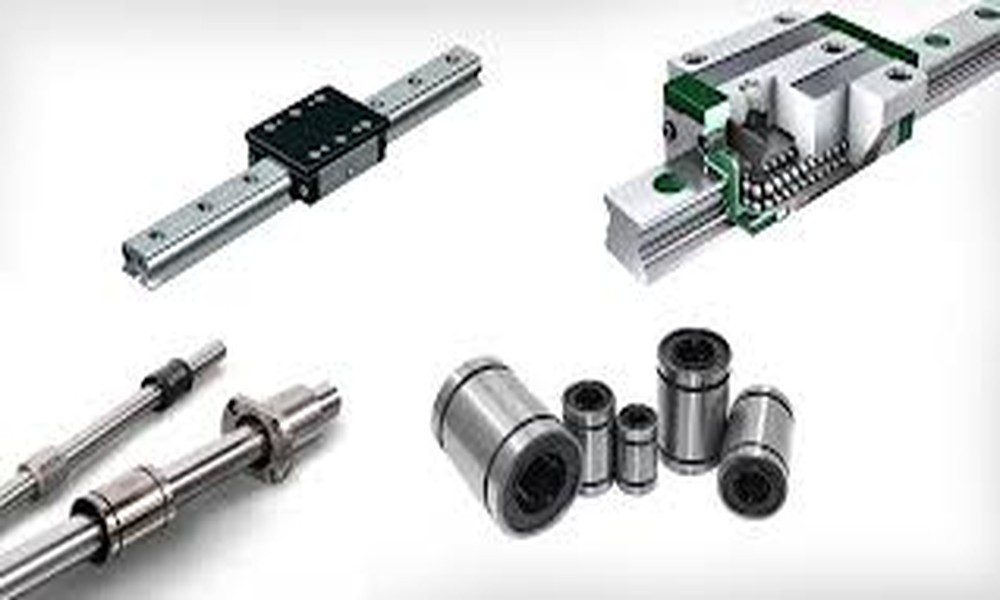
In the sophisticated world of industrial automation, the precision of linear motion is the foundation of operational success. Choosing the correct components is not merely a technical task but a strategic decision that impacts the longevity and efficiency of the entire machine. Among the various options, the LMK linear bearing stands out as a preferred choice for engineers due to its unique square flange design, which provides superior mounting stability and structural integrity. However, achieving optimal performance requires a deep understanding of load dynamics and environmental factors.
For professionals in the Thai manufacturing sector, selecting a high-quality LMK linear bearing (known in Thai as ลูกปืนสไลด์ LMK) involves evaluating more than just dimensions; it requires a holistic approach to mechanical engineering. By focusing on the synergy between the bearing and its housing, you can ensure that your system handles high loads with minimal friction and maximum accuracy, ultimately reducing the risk of premature component failure and costly production downtime.
1. Evaluate Load Capacity and Dynamic Stress
The first and most critical step is to calculate the resultant forces that your system will encounter during operation. You must distinguish between static load and dynamic load to ensure the LMK linear bearing can withstand the weight without deformation.
A bearing that is undersized for the application will experience accelerated wear and tear, leading to a loss of precision. It is essential to choose a model that offers a high safety factor, especially in applications involving rapid acceleration or heavy vertical loads. Understanding these load limits is the key to maintaining a reliable and robust motion system.
2. Assess Flange Stability and Mounting Precision
The defining feature of the LMK linear bearing is its square flange, which allows for secure bolting directly onto the mounting surface. This design is particularly advantageous when dealing with high-torque applications or environments where vibration is common. During selection, ensure the flange thickness and bolt hole alignment match your structural frame exactly.
A precise fit minimizes the risk of the bearing shifting under pressure, which is vital for maintaining linear alignment. Proper mounting ensures that the load is distributed evenly across the internal recirculating ball tracks, preventing localized stress points.
3. Verify Shaft Compatibility and Tolerance
For any linear motion system to operate smoothly, the relationship between the bearing and the shaft is paramount. You must select an LMK linear bearing that is perfectly matched to the hardness and tolerance of the smooth shaft. If the shaft is too soft, the hardened steel balls of the bearing will create grooves, destroying the system.
Conversely, improper tolerances can lead to excessive play or binding. Ensuring a high-precision fit-typically a g6 or h6 tolerance-is the trick to achieving the ultra-low friction movement required in modern high-speed industrial robotics and CNC machinery.
4. Consider Material Grades for Environmental Resistance
Industrial environments vary from clean rooms to dusty workshops, and your choice of LMK linear bearing must reflect this. Standard high-carbon chromium bearing steel is excellent for most applications, but if your machinery operates in high-humidity or corrosive conditions, stainless steel variants are a strategic necessity.
Selecting the right material grade prevents surface oxidation and internal corrosion, which are the leading causes of bearing seizure. By matching the bearing material to your specific environmental challenges, you can significantly extend the service life of your automated assembly lines and specialized mechanical tools.
5. Analyze Space Constraints and Orientation
The square flange of the LMK linear bearing offers a compact mounting profile, but you must still account for the available footprint within your machine. Consider whether the bearing will be mounted horizontally, vertically, or at an angle. The orientation affects how the load acts upon the internal ball rows, and some bearings are better suited for specific directions of force.
Planning the installation space carefully ensures that you have enough room for maintenance access and potential upgrades. A well-planned layout optimizes the structural footprint while maintaining high load-bearing capabilities in confined industrial spaces.
6. Prioritize Sealing and Lubrication Maintenance
To ensure long-term performance, the LMK linear bearing must be properly protected from contaminants. High-quality seals, such as integrated rubber wipers, are essential for keeping dust and debris out of the internal raceways. Furthermore, consistent lubrication is the “trick” to reducing heat buildup and wear.
When selecting your bearing, check if it has pre-greased options or easy-access lubrication ports. Effective sealing and a regular maintenance schedule are vital to preventing frictional heat, which can cause the steel balls to expand and seize, leading to a catastrophic failure of the motion system.
7. Focus on Rigidity and Vibration Dampening
In high-precision tasks, such as 3D printing or laser cutting, any vibration can ruin the final product. The square flange of an LMK linear bearing provides a higher degree of rigidity compared to standard bush-type bearings. This rigidity is essential for dampening vibrations caused by high-speed travel or external mechanical interference.
When selecting a bearing, look for designs that offer zero-clearance or light preload options to eliminate any internal slack. This ensures that the system remains stable and accurate, even when subjected to the rapid directional changes typical of modern, high-performance industrial automation setups.
Selecting the ideal motion components is a foundational step in building high-performance machinery that stands the test of time. As we have explored, the LMK linear bearing is a versatile and powerful solution for handling high loads with precision, provided that factors like load capacity, material quality, and mounting stability are carefully considered.
By partnering with I.N.B Enterprise, you gain access to a wealth of technical knowledge and a supply chain that prioritizes quality and reliability. Whether you are developing a new automation project or maintaining existing infrastructure, our team can help you find the perfect LMK linear bearing to match your specific requirements. We invite you to explore our comprehensive product catalog and discover how our solutions can enhance your operational productivity. For more information and to view our full range of high-precision bearings, please visit LMK linear bearing and let us help you achieve engineering excellence.