


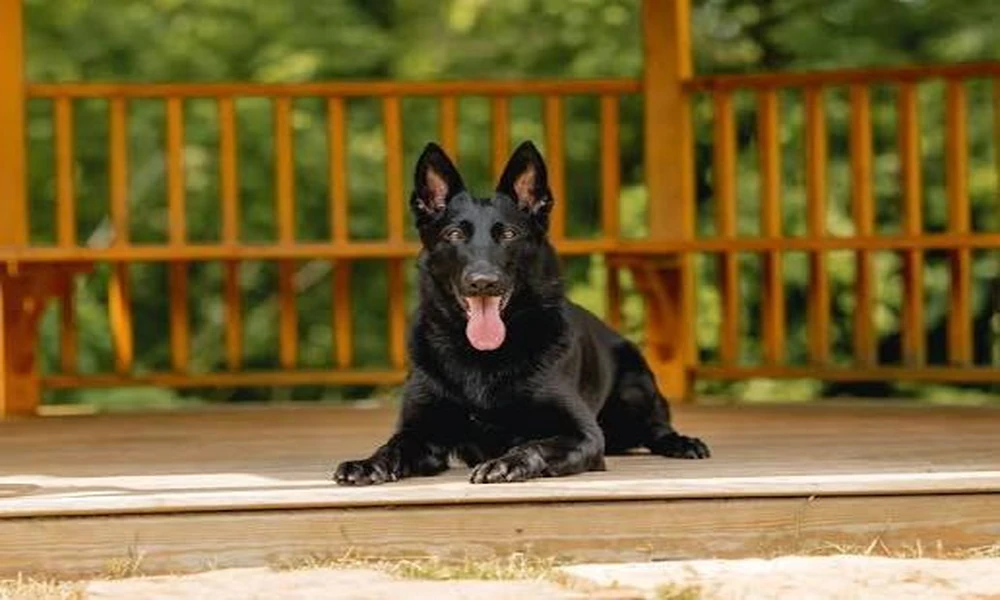
Searching for protection dogs for sale can produce a wide range of options, from young dogs with basic obedience training to highly trained working animals prepared for specialized roles.
The challenge for a prospective buyer is determining which dog is actually appropriate for their needs.
A protection dog should not be selected simply because it looks intimidating or belongs to a particular breed. Training, temperament, health, environmental stability, and handler compatibility can all influence whether a dog will be successful in a working role.
Protection Is About Control, Not Unpredictable Aggression
One of the biggest misconceptions about protection dogs is that aggression is the primary requirement.
In reality, reliable protection work requires control.
A professionally trained dog should be capable of following commands, remaining composed in different environments, and responding appropriately when given a trained cue. A dog that reacts indiscriminately to strangers, noises, vehicles, or ordinary interactions can create significant problems for its owner.
Confidence and stability are therefore highly valuable characteristics.
The goal is not to have a dog that perceives everyone as a threat. The goal is to have a trained working animal capable of responding appropriately when required.
Match The Dog To The Intended Role
Different buyers may have completely different requirements.
Someone seeking a personal protection dog may need an animal comfortable accompanying its handler in public environments. A property owner may have different priorities, particularly if the dog will spend considerable time on a large private site.
Professional security environments may require still another set of characteristics.
Before looking at individual dogs, buyers should define the intended role, living environment, amount of daily handling, and level of experience available.
This makes it easier to determine whether a particular dog is actually suitable.
Training History Matters
A seller should be able to explain what the dog has been trained to do.
Rather than accepting vague descriptions such as “highly trained,” prospective buyers should ask about the dog’s obedience foundation, environmental exposure, working history, and current skill level.
Demonstrations can also be informative when conducted safely and professionally.
Importantly, training does not end when ownership changes. A new handler must learn how to communicate consistently with the dog and maintain the behaviors that have already been established.
Health Should Be Part Of The Buying Decision
Working dogs place considerable physical demands on their bodies.
Potential buyers should therefore ask about veterinary records, vaccination history, orthopedic health, general physical condition, and any known medical issues.
The dog’s age is also relevant. A younger dog may have considerable working potential but require additional development and training. An older trained dog may have more established behavior but a different expected working lifespan.
Health information should be considered alongside training and temperament rather than treated as a secondary issue.
Handler Experience Makes A Difference
Owning a protection dog is different from owning a typical companion animal.
The owner must understand obedience, boundaries, exercise requirements, environmental management, and responsible handling. Family members and regular visitors may also need clear guidelines for interacting with the dog.
This is particularly important in households with children or frequent guests.
A well-trained dog still requires a responsible handler.
Choosing A Seller
When evaluating protection dogs for sale, buyers should look beyond marketing photographs and impressive descriptions.
A reputable provider should be willing to discuss the dog’s background, training, health, temperament, and suitability for the buyer’s circumstances.
Buyers should also be cautious of sellers who focus exclusively on aggression or guarantee unrealistic outcomes. Professional working dogs are highly individual, and no dog should be treated as a substitute for broader security planning.
Think Long-Term
The purchase price is only one part of owning a protection dog.
Ongoing expenses can include food, veterinary care, equipment, professional maintenance training, boarding, and other routine costs. Time is another significant investment.
Before purchasing, prospective owners should consider whether they can provide the consistency and supervision required throughout the dog’s working life.
The right protection dog is not necessarily the strongest, largest, or most intimidating animal available. It is the dog whose temperament, training, health, and capabilities match the owner’s actual requirements.
Taking time to evaluate those factors can result in a safer and more successful partnership for both the dog and its handler.


