


As electronic systems become faster, smaller, and more interconnected, managing electrical noise has become a critical design and operational challenge. From industrial automation and medical equipment to data centers and communication networks, uncontrolled interference can degrade performance, cause malfunctions, and even lead to system failure. This is where effective noise control strategies—supported by EMI and EMC filtering—play a vital role.
Electrical noise is an unavoidable byproduct of modern electronics. Switching power supplies, high-frequency circuits, and digital components all generate interference that can propagate through cables and power lines. Without proper mitigation, this interference can compromise both functionality and compliance with regulatory standards.
Understanding EMI and EMC in Practical Terms
Electromagnetic interference (EMI) refers to unwanted electrical noise that disrupts the operation of electronic equipment. Electromagnetic compatibility (EMC) focuses on ensuring that devices can operate correctly in their electromagnetic environment without causing or suffering from interference.
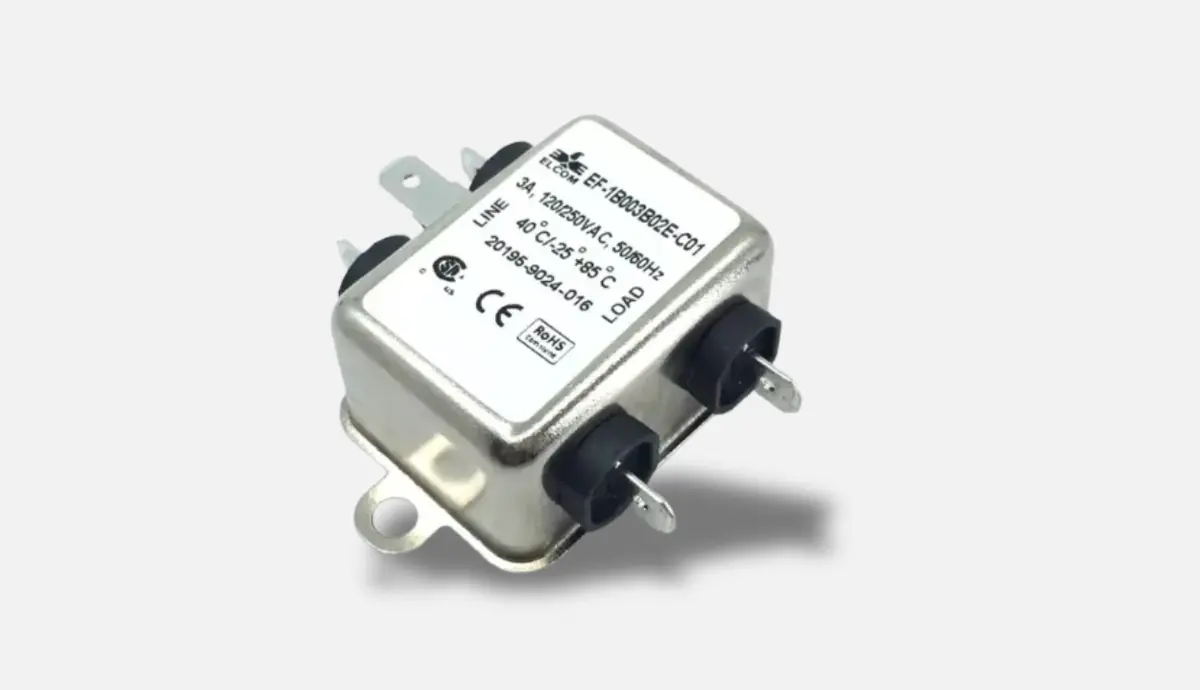
An emi emc filter is designed to suppress this unwanted noise, allowing systems to meet performance expectations while remaining compliant with international EMC standards. These filters act as a barrier, preventing high-frequency disturbances from entering or leaving sensitive equipment.
Why Electrical Noise Is a Growing Concern
The density of electronic components in modern systems has increased dramatically. Higher switching speeds and compact layouts make devices more susceptible to interference. At the same time, systems are expected to operate reliably in shared electrical environments where multiple devices coexist.
Common sources of electrical noise include:
- Switching power supplies
- Motor drives and inverters
- High-speed digital circuits
- Poor grounding or cable routing
Without proper filtering, these sources can introduce instability, data errors, or unexpected shutdowns.
How EMC Filters Improve System Stability
An emc filter works by attenuating high-frequency noise while allowing the desired power signal to pass through. Installed at key entry points—such as power inputs—these filters protect both the equipment itself and other devices connected to the same power network.
Key benefits of EMC filtering include:
- Improved signal integrity
- Reduced risk of system malfunction
- Compliance with EMC regulations
- Enhanced reliability in noisy environments
By addressing interference at its source, EMC filters contribute to long-term system stability and performance.
The Role of EMI RFI Filters in Noise Suppression
While EMI focuses on electromagnetic disturbances broadly, radio frequency interference (RFI) targets noise in higher frequency ranges that can affect communication and control systems. EMI RFI filters are specifically engineered to suppress these frequencies, making them essential in applications where precision and data accuracy are critical.
These filters are commonly used in:
- Medical and laboratory equipment
- Industrial control systems
- Telecommunication infrastructure
- IT and data center environments
By reducing both conducted and radiated noise, EMI RFI filters help maintain consistent operation across complex electronic systems.
Power Connectivity and Noise Control
Power cords and connectors also play a significant role in managing electrical noise. High-current connections, if not properly filtered or shielded, can act as conduits for interference. This is particularly relevant in setups using high-capacity connectors such as the c19 c20 power cord, which are often found in data centers and industrial power distribution systems.
When combined with appropriate filtering solutions, these power connections can support stable energy delivery while minimizing the transmission of unwanted noise. Proper integration of filters at the power entry point ensures that interference does not propagate through connected equipment.
Selecting the Right Filtering Solution
Choosing the appropriate filter requires an understanding of the system’s electrical characteristics and operating environment. Factors such as voltage, current rating, frequency range, and mounting configuration all influence filter performance.
Important considerations include:
- Type and level of interference present
- Regulatory compliance requirements
- Installation location within the system
- Compatibility with existing power components
A well-matched filtering solution not only improves performance but also simplifies compliance testing and future system expansion.
Supporting Compliance and Long-Term Reliability
EMC compliance is not just a regulatory requirement—it is a marker of system quality and reliability. Effective filtering reduces the likelihood of costly redesigns, failed certifications, or field issues after deployment.
From a maintenance perspective, systems with proper noise suppression experience fewer unexplained faults and reduced wear on sensitive components. This leads to lower downtime and improved operational efficiency over the equipment’s lifespan.
Building Noise-Resilient Electronic Systems
As electronic systems continue to evolve, managing electrical noise will remain a fundamental design challenge. Incorporating EMI and EMC filtering at the earliest stages of system planning creates a strong foundation for performance, safety, and compliance.
By combining robust filters, thoughtful power connectivity, and sound engineering practices, organizations can build noise-resilient systems that perform reliably even in electrically demanding environments. Effective noise management is no longer optional—it is a strategic requirement for modern electronic infrastructure.


