

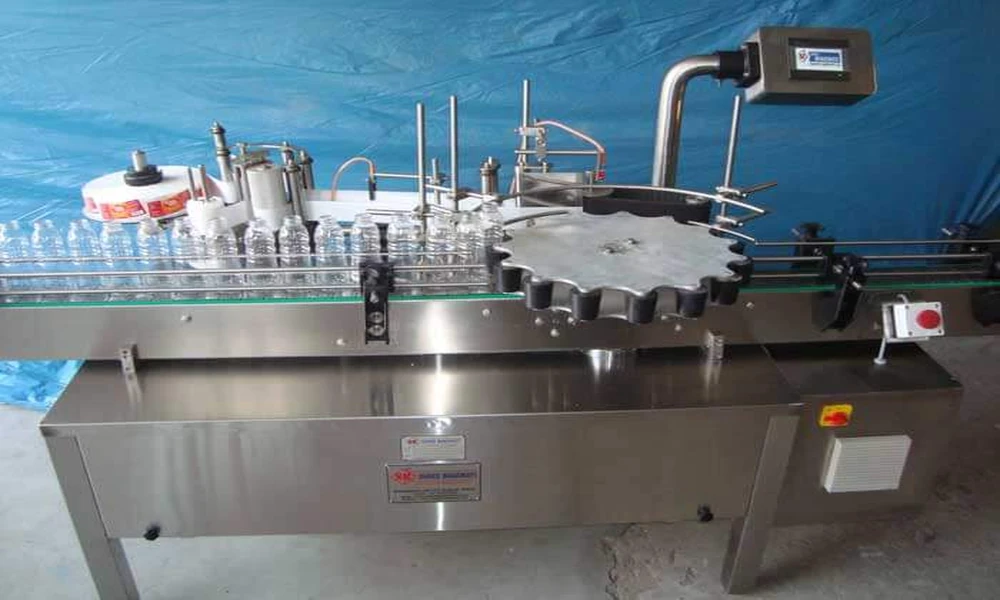
Labels carry branding, product information, barcodes and regulatory details, so they need to be applied accurately and consistently. Manual labelling becomes slow and inconsistent as volumes grow, which is why many manufacturers invest in automation. An automatic labeling machine can apply labels in several different ways, depending on the container and label type. This article explains the main application methods and how to choose the right one.
Why Application Method Matters
The way a label is applied affects its position, appearance and durability. Different containers, such as round bottles, flat-sided packs and irregular shapes, require different methods. Label materials also behave differently. Choosing the wrong method can lead to problems such as:
- Wrinkles and creases
- Air bubbles under the label
- Crooked or misaligned labels
- Labels that lift or peel off
Each of these makes the product look poorly made. Understanding the options helps choose the right machine.
Pressure-Sensitive Labelling
Pressure-sensitive labels, also called self-adhesive labels, are the most common type in automated labelling. Labels are supplied on a roll with a backing liner. The machine peels the label from the liner and presses it onto the container. Pressure-sensitive labelling is versatile, clean and suitable for a wide range of products and containers. Labels can be printed on paper, film or specialty materials, depending on the product’s environment.
Wrap-Around Labelling
Wrap-around labelling applies a label around the circumference of a round container, such as a bottle or jar. The container rotates as the label is applied, ensuring a smooth, even wrap. This method is widely used for beverages, food products, cosmetics and household goods. Accurate container rotation and alignment are important for a neat result. Container shape must be consistent, since slight variations can cause the label to overlap unevenly.
Front and Back Labelling
Many products need labels on both the front and back. An automatic labeling machine set up for front and back labelling applies two labels in one pass, often to flat or oval containers. Precise positioning ensures both labels are aligned correctly. This method is common for personal care products, cleaning products and beverages.
Top and Bottom Labelling
Some products need labels on the top or bottom, such as lids, trays or boxes. Top labelling machines apply labels to flat surfaces as products pass on a conveyor. Bottom labelling may be used for information labels or barcodes. These methods suit packaged foods, boxes and trays. These machines are often combined with weighing and pricing systems in food packing.
Shrink Sleeve Labelling
Shrink sleeve labelling places a printed plastic sleeve over the container, which is then shrunk with heat to fit tightly. Sleeves provide full-body coverage and suit containers with complex shapes. This method requires additional equipment, such as a heat tunnel. It is popular for beverages and products needing eye-catching packaging. Sleeves can also act as tamper-evident seals when they extend over the cap. Sleeve material and shrink temperature must suit the container.
Print and Apply Labelling
Print and apply systems print information, such as barcodes, batch numbers or shipping details, onto labels and apply them immediately. These systems are common in logistics, warehousing and manufacturing where variable data is needed. They can be integrated with production systems for automatic data input. They reduce the need to stock pre-printed labels for every product variant. Barcode verification can be added to confirm each label scans correctly.
Comparing Methods
Each method suits different needs. A simple comparison:
- Wrap-around: round bottles and jars
- Front and back: flat or oval containers
- Top labelling: boxes, trays and lids
- Shrink sleeve: complex shapes and full coverage
- Print and apply: variable data and logistics
Matching method to container and label type ensures good results.
Accuracy and Speed
Labelling machines vary in speed and accuracy. High-speed lines need machines that keep pace with filling and capping equipment. Sensors detect containers and labels to ensure accurate placement. Choosing a machine with the right speed and accuracy helps maintain production efficiency. Label roll changes can be a hidden source of downtime, so larger rolls or dual reels can help.
Integration With Production Lines
Labelling machines often work alongside filling, capping and packing equipment. Integration with conveyors and control systems ensures smooth operation. Consider how the labelling machine will fit into the existing line, including space, speed matching and controls. Matching label speed to the filler avoids queues and gaps on the conveyor.
Label Material and Adhesive
The label itself affects how well any machine performs. Paper labels suit dry products, while film labels resist moisture, oils and handling. Adhesives must suit the container surface and storage conditions, including chillers and humid warehouses. Discussing label specifications with both the label printer and the machine supplier avoids problems such as lifting edges or poor adhesion on curved surfaces.
Choosing the Right Labelling Machine
Selecting a labelling machine requires considering container type, label material, required speed and future needs. Testing with your actual containers and labels helps confirm suitability. For manufacturers exploring options, a supplier of auto labelling systems for production lines can recommend machines suited to your packaging. Suppliers can often run trial labels on sample containers before you commit.